Orlando's Apartment Glut Is Finally Clearing — What the Multifamily Rebound Means for Rental Owners
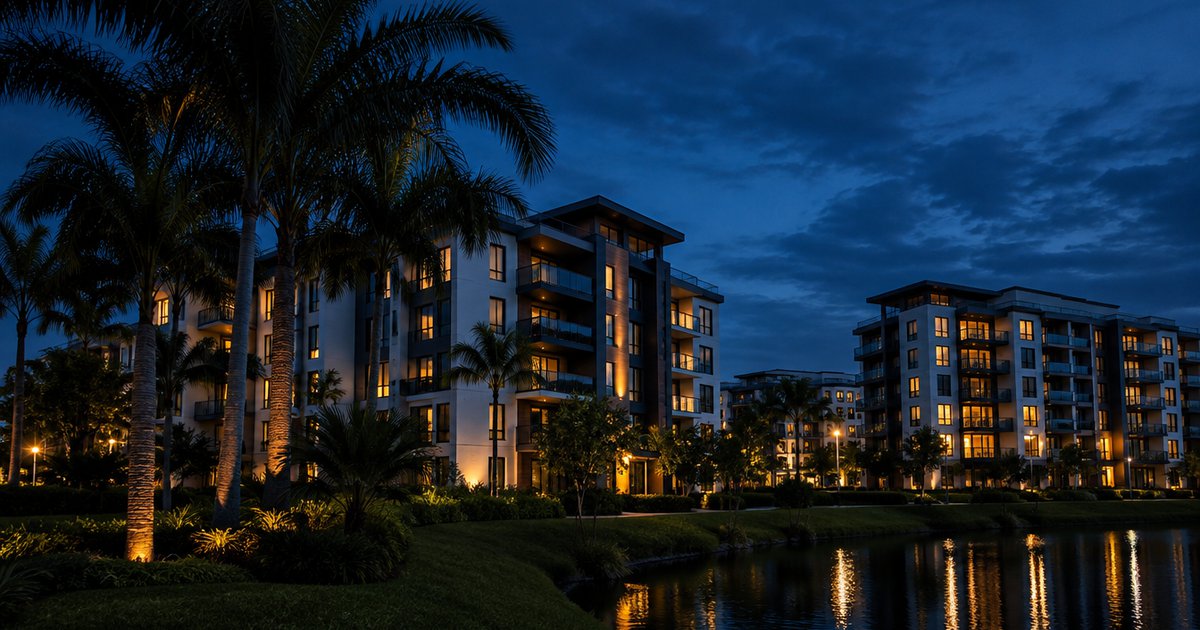
Orlando's apartment market is finally climbing out of the supply hole that opened up during the pandemic building boom, and the shift carries real implications for anyone renting out property in Central Florida.
According to new analysis from commercial real estate firm Cushman & Wakefield, reported by The Real Deal, Orlando rents jumped by nearly 20 percent in a single year during the pandemic surge, prompting developers to rush thousands of new units to market. That wave of construction eventually outpaced actual renter demand, pushing occupancy down and effective rents into negative territory as landlords leaned on concessions like free months and reduced rates just to keep units filled.
That hangover appears to be ending. Industry analysts now describe the Orlando multifamily market as "catching its breath," with average effective rents beginning to rebound earlier this year after three consecutive years of softness, and modest rent growth expected to return by year's end. Just as important for owners: new construction is expected to keep slowing over the next three to five years, since rising building and financing costs make it difficult for developers to justify new projects at current rent levels.
For individual rental property owners in Orlando, Kissimmee and St. Cloud, this cycle matters even if you don't own a 300-unit apartment complex. Large-scale rentals and small landlords compete for many of the same renters, and the concessions big complexes have been offering have put downward pressure on rents across the board, including for single-family homes and smaller multifamily properties. As that oversupply clears out and fewer new units come online, the competitive squeeze should ease, giving owners a better shot at steady or slowly rising rents without resorting to heavy discounts to attract tenants.
The practical takeaway: if your rents have felt stubbornly flat or you've had to sweeten the deal to land a tenant over the past year or two, that's consistent with what the broader market has been experiencing, not necessarily a sign something is wrong with your property. Keep an eye on comparable listings in your specific submarket, since recovery is uneven across Central Florida, and avoid locking into long leases at discounted rates right as the market is turning. For owners considering adding to their portfolio, a cooling construction pipeline combined with Central Florida's continued population and job growth is generally a favorable long-term setup for buy-and-hold rental investment. As always, a local property manager who tracks real-time leasing data in your specific neighborhood is the best way to know whether now is the moment to hold steady on rent or start pushing it back up.
By KNA Property Management
Own a rental in Orlando, Kissimmee or St. Cloud?
See what your property could earn with KNA managing it.
Get a free rental analysisAbout Us
KNA Property Management specialize in the management and leasing of commercial and residential housing. We build trusting relationships through consistent communication, proven management tools, and a vast experience in Real Estate culture.
Our Contacts
Orlando, Florida
Kissimmee, Florida
St. Cloud, Florida
(305) 520-9314